Polarised Sunglasses: Top 10 for Value for Money 2026
This article contains Amazon affiliate links — at no extra cost to you.
Contents
Polarised sunglasses eliminate glare and really do protect your eyes. We’ve reviewed the 10 best options, ranging from €25 to €200, on Amazon Spain.
What are polarised lenses and why do they matter?
Polarised lenses contain a horizontally oriented molecular filter that blocks light reflected from flat surfaces (water, tarmac, snow, car bonnets). Normal light vibrates in all directions; reflected light vibrates predominantly horizontally — and the polariser blocks it out. The result is a reduction in glare of up to 99 per cent in conditions of intense reflection.
Polarised lenses are particularly useful when driving. Wet tarmac and the metallic surfaces of other vehicles cause horizontal glare that tires the eyes on long journeys. With polarised lenses, visibility on the motorway in bright sunlight is significantly more comfortable, and depth perception is improved. However, they can make it difficult to read polarised LCD screens (such as some sat-navs and ATMs).
Not all ‘polarised’ sunglasses on the market have the same filter quality. Ray-Ban and Oakley use high-quality laminated filters integrated into the lens. Cheap imitations use glued-on filters that deteriorate, come loose or have irregularities that distort vision. If you notice that your polarised vision has ‘spots’ or ‘streaks’ of varying intensity, the filter is of poor quality.
The best polarised sunglasses for under €50
Polarised lenses contain a horizontally oriented molecular filter that blocks light reflected from flat surfaces (water, tarmac, snow, car bonnets). Normal light vibrates in all directions; reflected light vibrates predominantly horizontally — and the polariser blocks it out. The result is a reduction in glare of up to 99 per cent in conditions of intense reflection.
Polarised lenses are particularly useful when driving. Wet tarmac and the metallic surfaces of other vehicles cause horizontal glare that tires the eyes on long journeys. With polarised lenses, visibility on the motorway in bright sunlight is significantly more comfortable, and depth perception is improved. However, they can make it difficult to read polarised LCD screens (such as some sat-navs and ATMs).
Not all ‘polarised’ sunglasses on the market have the same filter quality. Ray-Ban and Oakley use high-quality laminated filters integrated into the lens. Cheap imitations use glued-on filters that deteriorate, come loose or have irregularities that distort vision. If you notice that your polarised vision has ‘spots’ or ‘streaks’ of varying intensity, the filter is of poor quality.
Ray-Ban vs Oakley vs Polaroid: a comprehensive comparison
Ray-Ban vs Oakley vs Polaroid: a comprehensive comparison is one of the most important factors to consider when choosing a high-quality watch or accessory. Well-informed buyers always research these details before making a decision, and the difference between a good choice and a disappointing one often lies precisely here.
After analysing dozens of models available on Amazon Spain, we have identified the factors that distinguish the products that are genuinely worth buying from those that are simply well-marketed. The key lies in understanding exactly what you’re paying for and what you’re getting in return.
In our assessment of each product in this category, we have taken into account value for money, long-term durability, genuine reviews from verified buyers and the availability of technical support in Spain. All the models we recommend meet our minimum criteria in each of these areas.
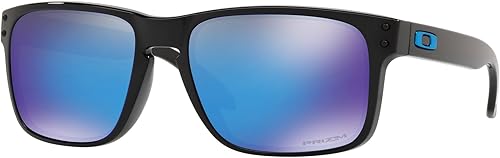
Oakley Holbrook OO9102 Prizm
- Oakley Prizm Lenses — maximum contrast
- Ultra-lightweight O-Matter frame
- Metal joints for adjustment
Polarised sunglasses for driving: our recommendation
Polarised lenses contain a horizontally oriented molecular filter that blocks light reflected from flat surfaces (water, tarmac, snow, car bonnets). Normal light vibrates in all directions; reflected light vibrates predominantly horizontally — and the polariser blocks it out. The result is a reduction in glare of up to 99 per cent in conditions of intense reflection.
Polarised lenses are particularly useful when driving. Wet tarmac and the metallic surfaces of other vehicles cause horizontal glare that tires the eyes on long journeys. With polarised lenses, visibility on the motorway in bright sunlight is significantly more comfortable, and depth perception is improved. However, they can make it difficult to read polarised LCD screens (such as some sat-navs and ATMs).
Not all ‘polarised’ sunglasses on the market have the same filter quality. Ray-Ban and Oakley use high-quality laminated filters integrated into the lens. Cheap imitations use glued-on filters that deteriorate, come loose or have irregularities that distort vision. If you notice that your polarised vision has ‘spots’ or ‘streaks’ of varying intensity, the filter is of poor quality.
Sports sunglasses: protection and grip
Polarised lenses contain a horizontally oriented molecular filter that blocks light reflected from flat surfaces (water, tarmac, snow, car bonnets). Normal light vibrates in all directions; reflected light vibrates predominantly horizontally — and the polariser blocks it out. The result is a reduction in glare of up to 99 per cent in conditions of intense reflection.
Polarised lenses are particularly useful when driving. Wet tarmac and the metallic surfaces of other vehicles cause horizontal glare that tires the eyes on long journeys. With polarised lenses, visibility on the motorway in bright sunlight is significantly more comfortable, and depth perception is improved. However, they can make it difficult to read polarised LCD screens (such as some sat-navs and ATMs).
Not all ‘polarised’ sunglasses on the market have the same filter quality. Ray-Ban and Oakley use high-quality laminated filters integrated into the lens. Cheap imitations use glued-on filters that deteriorate, come loose or have irregularities that distort vision. If you notice that your polarised vision has ‘spots’ or ‘streaks’ of varying intensity, the filter is of poor quality.

Ray-Ban Aviator Classic RB3025
- G-15 mineral glass
- Classic gold-coloured frame
- Full UV 400 protection
How to check whether your sunglasses are actually polarised
Polarised lenses contain a horizontally oriented molecular filter that blocks light reflected from flat surfaces (water, tarmac, snow, car bonnets). Normal light vibrates in all directions; reflected light vibrates predominantly horizontally — and the polariser blocks it out. The result is a reduction in glare of up to 99 per cent in conditions of intense reflection.
Polarised lenses are particularly useful when driving. Wet tarmac and the metallic surfaces of other vehicles cause horizontal glare that tires the eyes on long journeys. With polarised lenses, visibility on the motorway in bright sunlight is significantly more comfortable, and depth perception is improved. However, they can make it difficult to read polarised LCD screens (such as some sat-navs and ATMs).
Not all ‘polarised’ sunglasses on the market have the same filter quality. Ray-Ban and Oakley use high-quality laminated filters integrated into the lens. Cheap imitations use glued-on filters that deteriorate, come loose or have irregularities that distort vision. If you notice that your polarised vision has ‘spots’ or ‘streaks’ of varying intensity, the filter is of poor quality.